Author: b35gub

  • كيف تعرف التراث الثقافي غير الملموس؟

    كيف تعرف التراث الثقافي غير الملموس؟

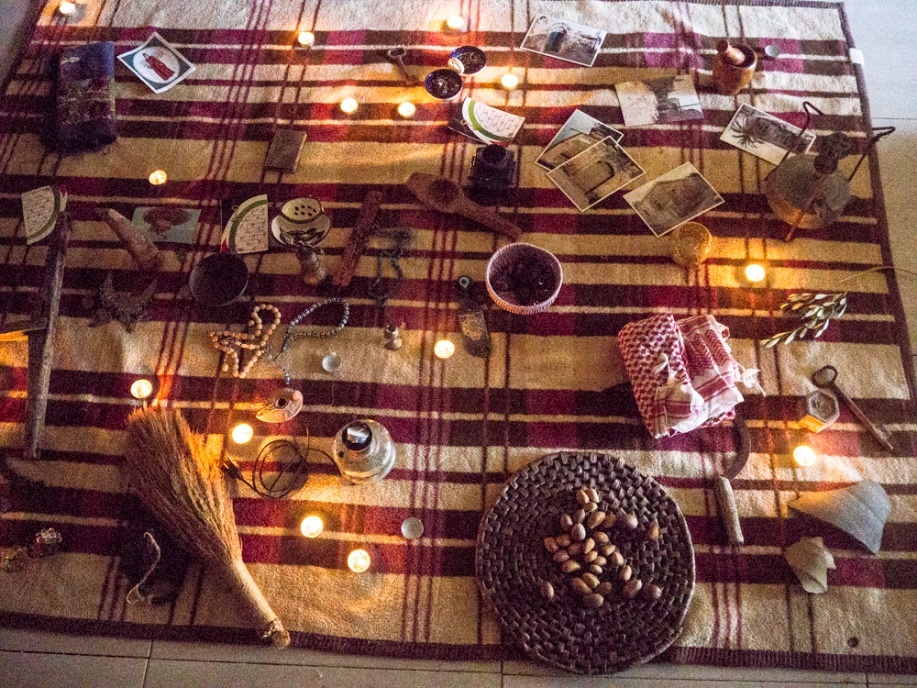
    عندما نفكر في التراث الثقافي ، غالباً ما نفكر في أشياء ملموسة. بيد أن الفنون والمباني والأدب تشكل مجموعة من المنتجات الثقافية التي تحكي قصة مجتمع أو بلد ما. وبالنسبة لي كامرأة بريطانية ، فإن الناتج الثقافي للمملكة المتحدة هو مرادف لأدب شكسبير أو زادي سميث ، فن كونستابل أو بانكسي. هذا النوع من الأشياء التي قد تجدها في متحف أو مكتبة أو معرض (أو ربما في الخارج من منزلك ، إذا كنت محظوظًا بما فيه الكفاية!). ولكن ماذا عن كل الأشياء الأخرى الفريدة لشعب ما؟ لا يمكنك أن تضع مثلا شعبيا ذو قافية على لائحة متحف ، و في نفس الوقت انت لا يمكنك أن تتعلم التهويدات في معرض. قد يكون الحب الفرنسي لفن الطهو عنصراً محدداً لهويتهم الوطينة ، ولكن هذا التراث ليس من النوع الذي من الممكن أن تراه في متحف اللوفر، ومن هنا جاء مصطلح التراث الثقافي غير الملموس.

    تعرف منظمة الأمم المتحدة للتربية والعلم والثقافة (اليونسكو) التراث الثقافي غير الملموس على أنه

    الممارسات والتمثيل والتعبيرات والمعرفة والمهارات وكذلك الأدوات والأشياء والمصنوعات والأماكن الثقافية المرتبطة بها – واالتي جميعها تعتبرها الجماعات والمجموعات ، وفي بعض الحالات ، الأفراد كجزء من تراثهم الثقافي. هذا التراث الثقافي غير الملموس ، الذي ينتقل من جيل إلى جيل ، يعاد صياغته باستمرار من قبل الجماعات والمجموعات استجابة لبيئتهم ، وتفاعلهم مع الطبيعة وتاريخهم ، ويوفر لهم إحساس بالهوية والاستمرارية ، وبالتالي تعزيز احترام التنوع الثقافي و الإبداع البشري. “

    و ببساطة ، هذه المهارات والممارسات والتعبيرات والمعرفة ، بالاضفاة إلى الأشياء الأماكن المرتبطة بها، هو هي ما يراه الناس ما يشكل جزءاً من تراثهم الثقافي وهويتهم الفريدة. ويسمى هذا أحيانًا “التراث الثقافي الحي” ، وهذا التراث ، سواء من خلال الموسيقى أو الدراما أو الطعام أو المهارات أو الرقص – يحتاج إلى شخص وسيط لكي نشعر به ونحسه ، إنها التقاليد الحية التي نرثها من آبائنا ومجتمعاتنا ، ونقوم بدورنا بنقلها لأولادنا.

    يتطلب التراث الثقافي الغير الملموس نوعًا من الدعم والرعاية للحفاظ عليه بطريقة تختلف عن رعاية التراث الملموس ، وذلك على النحو المقر به في ميثاق اليونسكو لعام 2003 الخاص بحماية التراث الثقافي غير الملموس. وهذا النوع من التراث معرض للخطر بشكل خاص نتيجة للصراع، على الأخص إذا ما تعرضت المجتمعات للتفكك والتشتت ، حينها كيف يمكن نقل هذه الممارسات والمهارات القيّمة من جيل إلى جيل؟ يسعى مشروع ’على أرضنا’ إلى التدخل مباشرة لوقف هذا “الكنز البشري” من الضياع. لذلك فإن عمل متطوعينا الشباب لا يقتصر على تسجيل والحفاظ على أدلة وجود تراث ثقافي فلسطيني بدو حي (بما يشمل كل شيء مثل الأطعمة و الأغاني و القصص)، بل أيضا من خلال الاستماع إلى كلمات وخبرات الأجيال الأكبر سنا، فهم بذلك يساهمون في نقل هذه المعرفة إلى الجيل القادم.

    يمكنك معرفة المزيد عن التراث الذي يعملون على حمايته من خلال هذا الرابطه [رابط صفحة “استكشاف التراث”].

    أما بالنسبة للمملكة المتحدة ، فإن الحكومة البريطانية لم تسجل حتى الآن أي أمثلة من التراث الثقافي الحي في اليونسكو ، ولكن من الممتع أن نتخيل ما قد يحدث إذا فعلوا ذلك، بدءا من رقص موريس إلى كرنفال نوتينغ هيل أو طقوس ما يعرف بخطاب أفضل رجل في العرس أو شراء جولة(دورة) من المشروب داخل الحانة (رابط المقال لصحيفة الجارديان:

    وهذا بالتأكيد يشير إلى أن لدينا تراثا ثقافيا غير ملموس، متنوعا وغنيا.
  • انطلاق التدريب الخاص بالباحثيين الشباب

    انطلاق التدريب الخاص بالباحثيين الشباب

    عقد مشروع “على أرضنا” أول دورة تدريبية للشباب في فلسطين في أواخر نوفمبر 2017، وقد بدأ تسعة عشر شابا وشابة في تعلم تقنيات تدوين التاريخ الشفهي، والتي سوف تمكنهم من تحديد والحفاظ على التراث الثقافي الحي لمجتمعاتهم، وضمان انتقال هذه المعرفة القيمة بين الأجيال. وقد أشار عضو المجلس الاستشاري للمشروع، السيد محمود سليمان، إلى أن “مجتمعاتنا البدوية لديها تراث رائع وجميل، ولكن في نفس الوقت معرض لخطر الاندثار نتيجة للصراع القائم”. وأضاف “إن من دواعي شعوري بالأمل رؤية هؤلاء الشباب يعملون للحفاظ على هذا التراث والتأكد من أن الأجيال القادمة سوف تستفيد من هذه المعرفة “.

    ويعيش المشاركون في المنطقة “ج” ، والتي تعتبر من أكثر المناطق تهميشاً في الضفة الغربية، حيث تفرض إسرائيل سيطرتها العسكرية والمدنية بالكامل. وتسمح إسرائيل بالتوسع للمستوطنات اليهودية فقط والذي يعتبر غير قانوني بموجب القانون الدولي، حيث يؤدي إلى منع الفلسطيين من الوصل إلى أراضيهم. وعلى وجه الخصوص، فإن هذا الوضع صعب بالنسبة للمجتمعات البدوية والتي تعتبر من أكثر الفئات تهميشا في المجتمع الفلسطيني. وقد ضمت ورشة عمل لمدة يومين شباب وشابات من منطقتين تعدان ذات اغلبية بدوية وهما شمال غور الأردن وتلال الخليل الجنوبية، تعرف خلاها المشاركون على كيفية استخدام تقنيات التاريخ الشفوي وذلك بهدف الحفاظ على التراث الثقافي الغني والحي لمجتمعاتهم.

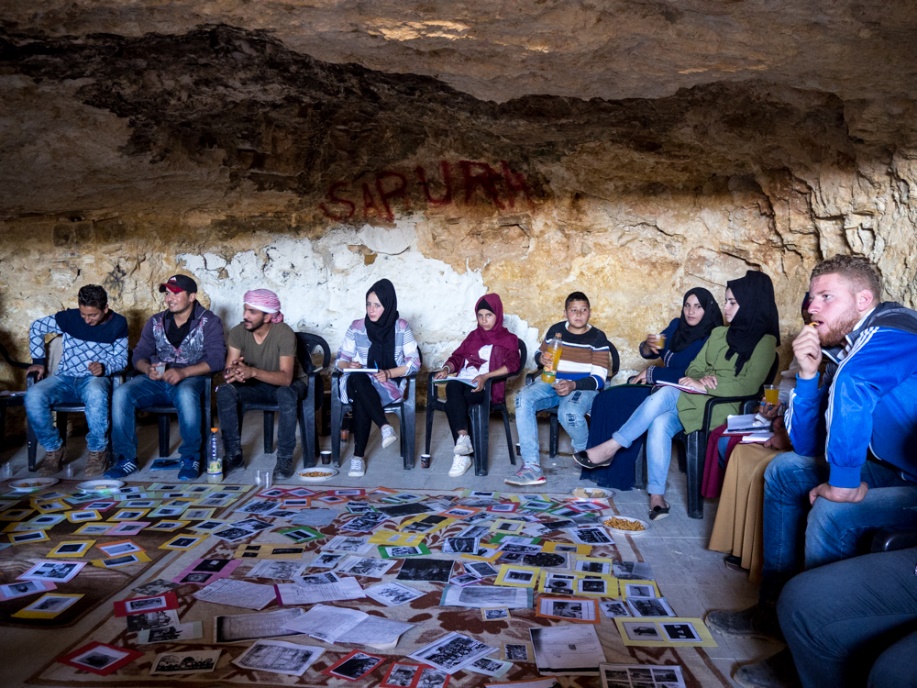
    وقد عرض المشاركون في ورشة العمل العديد من المقتنيات التقليدية والصور والوثائق كأدوات لتعزيز مشاركة التاريخ الشفوي ، وقد تم توظيف تقنيات سرد القصص والتي من شأنها أن تساعدهم على التفكير في الدور الذي يلعبه التراث الثقافي في حياتهم ، وحياة الأجيال الأكبر سنا. وبدأوا في تحديد عناصر معينة من الثقافة البدوية التي شعروا أنها معرضة للخطر بفعل الصراع القائم والتهجير الذي يتعرضوا له، بما في ذلك المنسوجات والأزياء التقليدية ، والممارسات الزراعية والألعاب التقليدية. وقد نوه أحد المشاركين الشباب بعد الجلسة الأولى ألى أنه يشعر ” بالمسؤولية لرعاية تراثنا الثقافي ونقله إلى الأجيال الشابة””.

    سيشارك الباحثون الشباب خلال الأسابيع القادمة في عدد من ورش العمل التشاركية ، بقيادة مدرب التاريخ الشفوي الفلسطيني محاسن رابوص. تهدف هذه الدورات إلى تعريف المشاركين على المبادىء الأساسية لإجراء أبحاث التاريخ الشفوي، مما سوف يمكنهم من تولي زمام المبادرة في تسجيل أنشطة التراث الثقافي في مجتمعاتهم المحلية، وبالتالي تحديد بعض الجوانب من تراثهم لتلقي الدعم عبر برنامج للمنح الصغيرة. وقد صرحت مساعدة المشروع الذي ينفذه مركز الثقة والسلم والعلاقات الاجتماعية (CTPSR) ، السيدة لورا سولين، وذلك بعد انعقاد ورشة العمل الأولى “لقد كان مصدر إلهام لي رؤية الشغف لدى الشباب في التعامل مع هذا الموضوع ، ومدى سرعة تعاملهم مع التحدي المتمثل في تحديد وحماية تراثهم الثقافي”.

  • Training kicks off for youth researchers

    Training kicks off for youth researchers

    The On Our Land project held its first training session for young people in Palestine in late November. 19 young men and women have begun to learn oral history techniques that will enable them to identify and preserve the lived cultural heritage of their communities, and ensure that this valuable knowledge is passed on between generations. Mahmoud Soliman, member of the project’s advisory council, explained the impact of the project “Our Bedouin communities have a fascinating and beautiful heritage, but this is at risk of slipping away under the pressure of conflict. It gives me hope to see these young people working to preserve this and make sure future generations will benefit from this knowledge”.

    The participants live in Area C, the most marginalized area of the Palestinian West Bank, where Israel has full military and civilian control and the expansion of Jewish-only settlements, illegal under international law, is leaving the Palestinian inhabitants without access to their land. The situation is particularly difficult for Bedouin communities, who are amongst the most marginalized in Palestinian society. The young men and women from two predominantly Bedouin communities in the North Jordan Valley and South Hebron Hills came together for a two-day introductory workshop to learn how to use oral history techniques to preserve the rich lived cultural heritage of their communities.

    Workshop participants practiced using objects, pictures and documents as prompts to promote the sharing of oral histories, and role-played story telling techniques designed to help them reflect on the role that cultural heritage has played in their lives, and the lives of older generations. They started to identify particular elements of Bedouin culture that they felt was at risk from conflict and the displacement of their communities, including traditional textiles and fashions, farming practices and customary games. As one young participant noted after the first session “I feel responsible to look after our cultural heritage and transfer it to the younger generations”.

    The youth researchers will take part in a number of collaborative workshops over the coming weeks, led by Palestinian oral history trainer Mahasen Rabus. These sessions, which will introduce them to the fundamentals of oral history research, will enable them to take the lead in recording cultural heritage practices in their own communities, eventually identifying particular elements of their heritage to support via a small grants programme. CTPSR project associate Laura Sulin explained after the first workshop “it’s been inspiring to see young people’s passion about the subject, and how quickly these young men and women have engaged with the challenge of identifying and protecting their cultural heritage”.

  • How do we define intangible cultural heritage?

    How do we define intangible cultural heritage?

    When we think of cultural heritage, we often think of concrete things. Art, buildings, literature – these make up the constellation of cultural products that tell the story of a community or country. As a British woman, to me the cultural output of the UK is synonymous with the literature of Shakespeare or Zadie Smith, the art of Constable or Banksy. The kind of things you might find in a museum, library or gallery (or perhaps on the outside of your house, if you are lucky enough!). But what about all the other things that are unique to a people? You can’t put cockney rhyming slang on a museum plinth, and you don’t learn lullabies in a gallery. The French love of gastronomy may be a defining element of their national identity, but it’s not the kind of thing you can see in the Louvre. This is where the concept of intangible cultural heritage comes in.

    The United Nations Education, Scientific and Cultural Organisation (UNESCO) defines intangible cultural heritage as:

    “the practices, representations, expressions, knowledge, skills – as well as the instruments, objects, artefacts and cultural spaces associated therewith – that communities, groups and, in some cases, individuals recognize as part of their cultural heritage. This intangible cultural heritage, transmitted from generation to generation, is constantly recreated by communities and groups in response to their environment, their interaction with nature and their history, and provides them with a sense of identity and continuity, thus promoting respect for cultural diversity and human creativity.”

    Simply put these are the skills, practices, expressions and knowledges – and the objects and spaces associated with them – that people understand as making up part of their unique cultural heritage and identity. This is sometimes also called ‘lived cultural heritage’ – this heritage, whether through music, drama, food, skills, or dance – needs the mediation of a person for us to experience it. They are the living traditions we inherit from our parents and communities and, in turn, pass along to our children.

    Intangible cultural heritage requires a different kind of support and care to preserve it than tangible heritage, as recognised by the 2003 UNESCO Convention for the Safeguarding of the Intangible Cultural Heritage. It is particularly vulnerable to the impact of conflict – if communities are broken up and scattered, how can these valuable practices and skills be passed from one generation to the next? The On Our Land project is seeking to intervene directly to stop this “human treasure” from being lost. Not only are our youth volunteers recording and preserving evidence of Bedouin Palestinian lived cultural heritage – everything from foods, to songs, to stories – but by listening to the word and experiences of their older generations, they are actively participating the transmission of this knowledge to the next generation. You can learn more about the heritage they are safeguarding here.

    As for the UK, the government has yet to record any instances of lived cultural heritage with UNESCO, but it’s fun to imagine what this might be if they did. From Morris Dancing to the Notting Hill Carnival; the conventions of a best man’s speech, to the delicate ritual of how to buy a round in the pub, we certainly have a wealth of unique and intangible cultural heritage to choose from.